
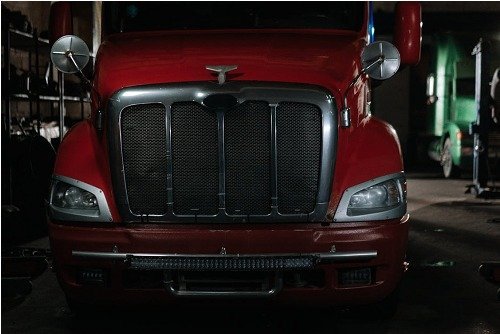
The trucking industry has been a hot topic in recent news. Following a recent fatal accident where an undocumented driver with a California issued CDL license made an illegal turn, killing 3, the federal governemnt in the current administration is cracking down on previously sparcely unenforced regulations such as the use of unlicensed and undocumented drivers. As a result, CDL drivers losing their licenses after failing english exams, carriers scrambling to find replacement drivers (oftern grossly underqualified).
At first glance, it is a highly debated political drama. However, it has great legal implications as well for accident victims. Because when an unqualified or unlicensed driver causes an accident, the consequences lie squarely with the company. It is a liability nightmare waiting to happen.
Why CDL and Immigration Compliance Matter
Operating a trucking company today is not what it was 20 years ago. There are many more rules, constant oversight required, costs are way up, and one bad decision can put you out of business. Every carrier, every broker, every logistics manager has to check their drivers inside and out to ensure valid CDL’s, valid medical cards, clean drug tests, and legal work status, etc.
Now, that also means making sure drivers can read road signs, speak enough English to handle inspections, and meet every single FMCSA qualification rule.
It’s all about safety.
The Federal Motor Carrier Safety Administration has always said that safe roads start with qualified drivers. When companies look the other way, they’re not just breaking a regulation. They’re gambling with lives.
However, the reality of operating a trucking company in today’s market where there is always significant competition often means looking the other way is now, unfortunately, part of the game to stay in business.
What Does the Law Actually Say?
Federal law and Florida law both lay out extensive regulations governing the operating of a commercial motor vehicle.
Federal Rules (FMCSA Regulations)
Under 49 CFR Parts 383 and 391, every commercial driver has to:
⦁ Hold the correct CDL for whatever they’re driving;
⦁ Be able to read and speak English well enough to understand signs and law-enforcement officers (49 CFR § 391.11(b)(2));
⦁ Pass the required medical and drug tests;
⦁ Keep a reasonably clean driving record.
When a trucking company puts an unlicensed or unqualifed driver behind the wheel of a giant truck inviolation of these rules, the FMCSA will come down hard on them with heavy fines and suspension.
Florida Law and Negligence Principles
Beyond the federal FMCSA rules, Florida law recognizes separate causes of action under various negligence theories for negligent hiring, retention, and supervision. That means if a trucking company fails to properly screen or monitor its drivers, it can be held directly liable for any injuries caused. For example, ignoring red flags like an expired CDL, prior safety violations, or questionable immigration paperwork. Courts here don’t buy the “independent contractor” excuse either. If the company controls dispatch, provides the truck, or directs how loads are handled, it’s treated as an employer. Florida juries have also shown a willingness to award punitive damages when a carrier knowingly places an unlicensed or unfit driver on the road, viewing that conduct as reckless disregard for public safety rather than a simple mistake.
After a Crash
Once a crash happens, everything moves fast. Trucking companies have entire quick response teams trained to move quickly to investoogate and collect evidence with the sole purpose to shield the company from liability or minimize it as much as they can. Makes sense, as these companies will face significant lawsuits. risk of losing insurance or increased premiums making it difficult to operate, FMCSA penalties, suspension, and more.I’ve seen it before: one bad driver, one bad choice, and a company that’s gone by next year.
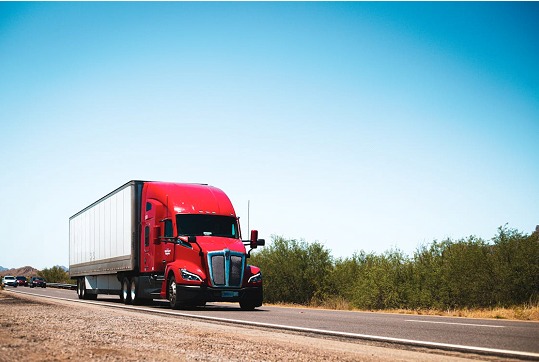
How the Injured Plaintiff Can Use These Violations
If you have been injured in a crash involving a commercial truck, learning that the driver was not properly licensed changes everything. What might have been an regular case suddenly becomes a much bigger deal, as negligence per se may apply. What that means is, in short, that the violation of the rule proves the negligence and you no longer have to prove the normal negligence requiremrnts.
An experienced injury lawyer will investigate to find this relevant information, including pulling the Driver Qualification File, check employment and immigration records, and review FMCSA safety audits among other important items. When you start to incover these things in a trucking operation (such as expired CDLs, missing paperwork, inadequate training, ignored red flags) that’s when juries pay attention. It turns an “accident” into a story about a company that didn’t care until it was too late. That is when a jury hits them hard with nuclear judgment.
The English-Proficiency Rule — And Why It Exists
One rule that’s getting more attention lately is 49 CFR § 391.11 which is the English-proficiency requirement. Some say it’s unfair to immigrant drivers. Others will say it’s about safety by being able to read warning signs, follow detours, and talk to first responders.
After several deadly crashes, including the recent accident where an non-english speaking immigrant failed to read the “Official Use Only” sign on a highway, the FMCSA has started enforcing this rule to a much stricter degree compared to previous administrations. You can debate how they do it, but it’s hard to argue with the reason: if you’re driving an eighty-thousand-pound rig capable of ending many lives at once, you need to understand at minimum what’s going on around you.
Carriers that ignore that rule are putting lives at risk.
The Bottom Line
Hiring unlicensed or illegal CDL drivers isn’t some clever shortcut. It’s a slow-burn disaster. Federal penalties, insurance denials, multimillion-dollar verdicts — one decision can sink a business.
For victims, those same violations can be the key to proving a case and recovering full compensation.
So if you or someone close to you was hurt in a truck crash, don’t assume it was just “an accident.” There’s often more behind the wheel than meets the eye.
Call Jaime “Mr. 786 Abogado” Suarez today to Get You Paid!